
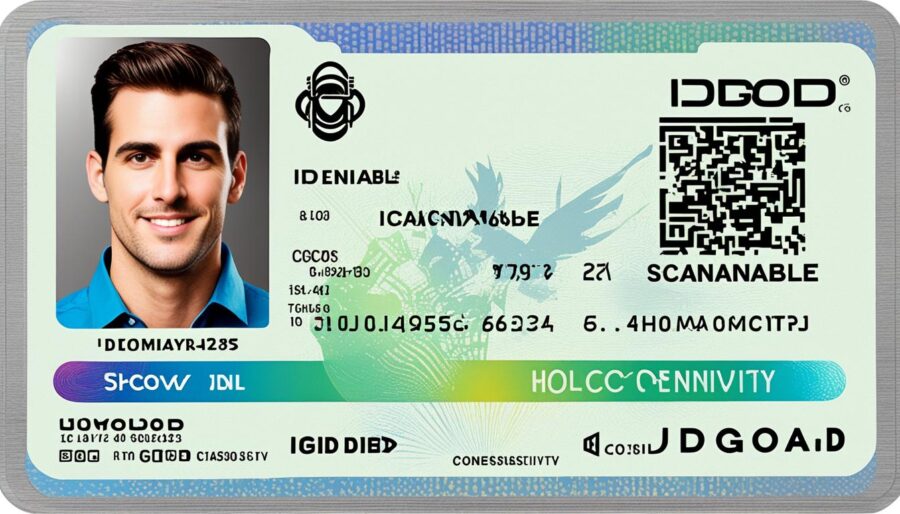
Since 1994, IDGod has been a big player in premium fake ID services. They make it easy for people over 21 to get fake IDs online1. You can pay through mail cash, bitcoin, or even use convenient options like Google Pay and Apple Pay1. They focus on high-quality digital pictures, making sure every fake ID looks real, clear, and detailed1.
Their IDs are scannable and come with holograms that pass backlight tests, ensuring their quality1. IDGod is known for their discreet shipping, maintaining their reputation as a top fake ID provider1.
Key Takeaways
- IDGod, a trusted name in fake IDs since 1994, offers top-quality services1.
- Convenient secure payment options available, including cryptocurrencies and digital wallets1.
- High-quality digital images are pivotal for the authenticity of IDs1.
- Worldwide discreet shipping ensures customer privacy1.
- Advanced ID features such as working holograms and backlight test passing capabilities1.
- Fake ID offerings cover several states including New Jersey and Oklahoma1.
- Regarded as the #1 trusted Fake ID Website Worldwide excluding the Middle East and Africa1.
Understanding the Landscape of Fake ID Services
The market for fake IDs has grown with tech advances. People now look for the best fake id website more than ever. Almost all states use tiny print for security, found in 96% of cases2. This makes creating a believable fake ID quite challenging. Features like California’s UV light-responsive image overlay add to the difficulty. Crafting a fake ID now requires great skill2.
Today, apps like BarZapp can spot fake IDs by scanning their barcodes2. This forces reliable fake id vendors to keep improving. A simple spelling mistake can reveal an ID’s falseness. Thus, creating a fake id that looks real demands careful attention to detail2.
But it’s not just the ID that matters. How a person acts is important too. Avoiding eye contact or seeming nervous are signs. These behaviors can tip off authorities, sometimes even before the ID is checked2.
The fake ID market evolves to beat new security measures. People want best fake id website choices that produce IDs no different from real ones. They must fool not just the human eye but also tech like BarZapp. As security gets better, reliable fake id vendors use more complex methods. This never-ending game keeps both sides on their toes in the fake ID world2.
IDGod: A Leader in Premium Fake ID Services
IDGod is the top name in fake IDs, known for its high-quality services. It goes beyond what others offer, focusing on real-looking IDs with advanced security. In a world full of doubts, IDGod is a trusted name, blending the latest technology with a knack for making it look real.
What Sets IDGod Apart
IDGod is unique because it delivers quickly to many US states. It uses real ID materials like polycarbonate, PVC, and Teslin. Their English-speaking team is always ready to help, making sure every scannable fake id will pass inspections.
Scannable Fake IDs and Advanced Technologies
IDGod prides itself on using advanced technology for its IDs. These come with 1D and 2D barcodes, magnetic stripes, and look just like real ones, thanks to cloned holograms and special printing. This ensures that the IDs they make can’t be told apart from genuine ones.
Achieving Authenticity: The IDGod Guarantee
Being real is what IDGod promises with every premium fake id. Customers get extra cards, choose their signature, and benefit from the latest DMV designs. This commitment to being genuine makes IDGod not just the best site for fake IDs but also the most trustworthy.
| Feature | IDGod’s Offering | Industry Standard |
|---|---|---|
| Materials Used | Polycarbonate, PVC, Teslin | Basic PVC, low-grade materials |
| Technology | 1D/2D barcodes, magnetic stripes, cloned holograms | Basic holograms, simple barcodes |
| Shipping | Fast, covering multiple states | Variable speeds and limited coverage |
| Customer Support | Responsive, provides ID previews | Minimal interaction, no previews |
| Authenticity Guarantee | Spare cards, custom signatures, updated designs | Standard designs, no extras |
The Rise of Online Fake ID Access
The way we get fake ids has changed thanks to technology. This has led to more people being able to buy fake ids online. IDGod is a top name in this area. They sell fake IDs for $100 to $2003. They show how buying fake IDs has moved from secret deals to a big online market.
Also, the digital world has made getting these IDs easier but riskier. Just last year, airports in the U.S. caught over 4,585 fake IDs from China3. Most were meant for college students. IDGod has responded to this demand well. They offer discounts for buying many IDs, charging as little as $40 each3.
Now, it’s easier than ever to buy a fake ID. You can pay with cryptocurrencies like Bitcoin or use Western Union3. This makes it possible for more people to get these IDs. It has also started a competition where only the best providers succeed.
| Aspect | Data | Implication |
|---|---|---|
| Interception at U.S. Airports | 4,585 IDs3 | High demand for fake IDs among students |
| IDGod Pricing Structure | $100-$200 per ID, $40 in Bulk3 | Cost-effective options for multiple purchases |
| Payment Versatility | Bitcoin, Western Union3 | Accessible internationally, adds anonymity |
With all these changes, we need to be careful about getting fake IDs online. This growth means places like bars must watch more closely. They might take IDs or have new rules to fight underage drinking. This is common around Ohio State University where 69 percent of students have used a fake ID4.
Places are fighting back with new tech like Patronscan5. This helps them spot fake IDs better. But the people making fake IDs are getting smarter too. Even features like holograms, that used to be trusted, can now be copied exactly5.
Choosing a reputable fake id provider is key. A good service like IDGod knows the market well. They help those who want to buy fake ids online with great care and quality. In today’s digital world, getting a fake ID is easier. But the best providers keep their products top-notch and trustworthy, despite legal and tech challenges.
Ensuring Security and Anonymity When Buying Fake IDs
When you’re getting a fake ID, keeping your info safe is key. People who want to buy fake IDs online need to know they’re private. That way, their personal details are secure, and the whole buying process is safe. A trustworthy fake ID seller knows how important privacy is to their customers.
Protecting Your Personal Information
Top-notch fake ID services use strong security to keep your info safe. Most of these sites use SSL encryption to protect your data. This stops outsiders from sneaking a peek and keeps your buying details secret.
IDGod faced big troubles, showing how critical data security is6. This cautionary tale has made both sellers and buyers more careful about keeping information private.
Discreet Delivery Options
Good fake ID services also send their IDs in secret packages. These packages look ordinary, so they don’t attract attention. Remember the shipments seized back in June 2015? This is why sneaky packaging is vital6. It makes delivering fake IDs less risky.
After IDGod stopped, a Seattle-based seller jumped in to fill the gap6. This shows the high demand for fake IDs and the need for sneaky shipping. Having a seller who can do this well is as important as the ID’s quality.
Buying a fake ID online means wanting strong site security, privacy protection, and sneaky shipping. These elements show that the sellers respect and protect their customer’s trust. They work hard to keep the deal private and secure.
Selecting a Reputable Fake ID Provider
As the May 7, 2025, deadline approaches, U.S. travelers must comply with REAL ID rules. This has increased the demand for high-quality fake IDs. Individuals are now looking at the best fake id website for affordable fake id options. Passports and other IDs are also being considered for boarding flights and entering federal buildings7.
Critical Aspects of a Trustworthy Vendor
To meet various state DMV requirements, a reliable fake id vendor must produce quality fake ids. Before choosing a fake ID provider, check your REAL ID status with your local DMV7.
When finding the best service, look at the best fake id website reputation. Consider customer feedback and how they interact online. Good service and transparency are key.
Customer Reviews and Online Presence
Choosing a bad fake ID can lead to big problems, like being turned away or legal troubles. It’s vital to pick a quality fake id from a trustworthy source. Always read customer feedback and check out the website’s online presence. A strong online platform and good reviews raise a provider’s standing significantly.
With the REAL ID deadline on May 7, 2025, needed ID types can vary by location. It’s essential to pick a reliable vendor like IDGod. This ensures you get an ID that looks real and meets legal standards7.
Comparing IDGod with Other Fake ID Websites
The need for quality fake IDs is on the rise, making the choice of vendor crucial. IDGod is known as “the world’s biggest online fake ID seller.” It shines for its excellence and making customers happy amongst rivals3. College sophomore Andy, who owns over 20 fake IDs, praises IDGod. He highlights a fake Utah license as a top pick3.
IDGod’s commitment to making IDs that look real is clear. They use box scanners, important in places like Boston where checks are strict3. Andy aims to get fake IDs from every state, showing the trust in IDGod’s real-looking products3. Back in 1994, creating a fake ID was hard and costly, needing $700 for a kit. Now, the process is much easier and advanced, thanks to services like IDGod’s3.
Today, IDGod stands out for easy and quick service in the fake ID world. Gone are the days of making IDs in dorm rooms. Now, what used to take hours only takes minutes3. The fight against fake IDs has changed too. In 2015, over four thousand fake IDs from China were caught, aimed at college students. IDGod’s IDs manage to avoid these traps, making them a go-to option3.
On places like the Fake IDs subreddit, people often talk up IDGod. They share stories, tips, and vendor lists3. Price matters to buyers, and IDGod understands this. They offer deals for buying in bulk. This way, the price for each ID drops from $100-$200. It makes getting a high-quality fake ID more possible3. These points prove IDGod as a top name in the fake ID market.
Quality and Features of a Premium Fake ID
The search for top-notch fake IDs drives innovation in premium fake id services. They use cutting-edge production methods that combine the best design with durability. These IDs look real thanks to high-quality materials and features like ultraviolet marks. This is how the best scannable fake IDs are made today.
State-of-the-art Production Techniques
Advanced production techniques rely on modern technology to be effective. The best fake IDs are made with machines that copy complex security features. These include holographic overlays and tiny text, showing off skill and precision. It’s what sets apart high-end fake id security from the rest.
Enhanced Security Measures for Validation
Today, getting a fake ID to pass tough checks is crucial. Top fake IDs use enhanced security, like holograms and encoded barcodes, for validation. This makes them hard to spot as fakes. Even agencies like the FBI pay attention to these security traits when fighting identity fraud. This means a quality fake ID looks and feels real, even under close inspection8.
As fake ID technology advances, so do the efforts to stop fraud. Laws can land someone in jail for up to 30 years for identity theft. The US Secret Service and others work hard to stop fake ID use with smart security features8.
Avoiding Scams: Tips for Purchasing Fake IDs Online
Shopping for fake IDs can feel like dodging scams at every turn. The industry skirts very close to the edge of legality. So, it’s key for buyers to examine the trustworthiness of fake ID sellers closely. Here are some smart steps, backed by careful research, to dodge the frauds when buying a fake ID online:
- Check for Verified Customer Reviews: Happy customers are the best indicators of a trustworthy seller. Look for places where people share real, positive feedback.
- Examine Shipping Policies: Good sellers use reliable shipping like FedEx or DHL. They offer tracking and dependability—a mark of a legit operation.
- Assess Quality Guarantees: Sites that offer free replacements show they stand by their product. It’s a sign of their commitment to making customers happy.
- Status of Website Security: Legit sites protect your info well. They’ll clearly talk about their strong encryption and safety efforts on their site.
- Template and Feature Updates: Updating their products to match real IDs shows commitment to quality. It means they’re serious about offering the best.
Being careful and forward-thinking is crucial in this shady market. Dependable fake ID sellers strive to meet customer needs while ensuring their safety. Following these steps won’t erase all dangers, but it will greatly lessen the chances of being caught in scams. Always be careful and thoughtful with your online choices. Reference#7329
Legal Considerations of Using Fake Identification
In this digital era, getting fake IDs online has become easy. It’s crucial to understand the legal considerations and fake id legal risks of having and using them. Knowing how to follow the law can save you from big troubles when using fake id usage.
Understanding the Risks
Young people might use fake IDs to get into places or buy things they’re not old enough for. But the legal trouble is more than just a small problem. The University of Florida police found nearly forty students with fake IDs over four years9. All these students faced serious charges, yet most cases ended in lighter penalties such as misdemeanors9.
The risks of using fake IDs include possible felony charges. Getting a lawyer for these cases can cost thousands9.
Navigating the Legal Landscape
Out of many cases, only two led to criminal records, both not too severe9. Many were able to get a softer judgement by making legal deals9. This shows why knowing your legal options and when to look for a deal can help lessen the charges for fake id usage.
Some students managed to get lighter sentences without lawyers9. Knowing about the laws and rules can help young people avoid big legal problems when using fake IDs.
The user must know and follow the law when it comes to fake IDs. Avoid actions that can harm your legal or financial future. Make smart choices and understand the legal implications of using fake IDs.
Conclusion
IDGod stands out in the world of fake ID services. They’ve become essential for people looking to buy fake ids online3. They’re known worldwide and praised for their high-quality fake identification. They serve a wide range of customers with great care3. Their success comes from offering discreet services, excellent customer support, and strong privacy measures. So, IDGod is the top choice for anyone needing to get past age limits.
The demand for such services has its challenges. In places like Boston, where many students need IDs, there are box scanners3. But IDGod’s IDs can pass these tests. They look just like real ones and cost between $100 and $200. IDGod makes buying easy, accepting Bitcoin and Western Union. They understand what the younger crowd wants: innovation and easy ways to pay3.
IDGod isn’t just about selling fake IDs. They offer IDs that look real and have top-notch security features10. But it’s important for customers to think about the laws. Knowing the risks helps people make smart choices. With IDGod’s high-quality fake IDs, customers can make these choices confidently.
FAQ
What is IDGod?
IDGod is known for its premium fake ID services online. They offer high-quality, scannable fake IDs. You can buy fake identification that looks like real documents on their platform.
How has the landscape of fake ID services changed?
Digital platforms have changed the game, making it easy to buy fake IDs online. These websites use advanced tech to make reliable, scannable fake IDs.
What sets IDGod apart from other fake ID vendors?
IDGod uses cutting-edge technology for their scannable fake IDs. They also use top-quality materials, offer great customer support, and stand by the authenticity of their products. This makes them a trusted name in the market.
Are the IDs offered by IDGod scannable and equipped with the latest technology?
Yes, IDGod employs advanced printing and technologies. This ensures their fake IDs are scannable and have modern security features. These include holograms and barcodes, just like real ones.
How are fake IDs accessed more conveniently now?
Now, you can easily buy a fake ID online. This avoids the need for in-person purchases. It makes fake IDs much more accessible.
How does IDGod ensure customer privacy?
IDGod protects customer privacy with secure website protocols. They safeguard personal and financial info. Discreet shipping options also help keep purchases private.
What should I look for in a reputable fake ID provider?
Look for a provider that offers high-quality fake IDs and has good customer feedback. They should have a secure transaction platform. They should also be clear about their communication and shipping.
How does IDGod stand out in comparison to other fake ID websites?
IDGod offers fast order fulfillment and uses superior materials. Their customer support is excellent. They use updated tech for making fake IDs. They ensure discreet delivery and have many positive reviews.
What features should a premium fake ID include?
A premium fake ID should have top-notch production techniques. It should include advanced security features like holographic overlays and UV elements. Scannable barcodes are also key for passing checks.
How can I avoid scams when purchasing fake IDs online?
Do your homework on the fake ID site and check its reputation. Make sure it has secure payment options. Look for discreet shipping and current ID templates to avoid scams.
What are the legal risks associated with using a fake ID?
Using a fake ID is against the law and comes with risks. You could face fines, community service, or arrest. It’s vital to know these risks. Remember, having and using fake IDs is illegal.
How does IDGod advise customers to navigate legal issues concerning fake IDs?
IDGod suggests staying aware of the laws and possible consequences of fake IDs. They remind consumers that it’s their responsibility to know the legalities.
Source Links
- https://www.idgod.ph/
- https://www.wikihow.com/Spot-a-Fake-ID
- https://melmagazine.com/en-us/story/there-is-a-fake-idgod-and-he-lives-in-china
- https://www.thelantern.com/projects/2021/04/28/fake-ids-join-textbooks-and-shower-caddies-on-the-college-packing-list-find-popularity-regardless-of-legal-and-university-consequences/
- https://www.patronscan.com/id-scanning-blog/do-fake-ids-pass-scanners
- https://bwog.com/2016/11/fake-it-till-you-make-it/
- https://www.dhs.gov/real-id
- https://www.justice.gov/criminal-fraud/identity-theft/identity-theft-and-identity-fraud
- https://www.wlrn.org/news/2022-05-09/once-a-college-rite-underage-students-caught-with-fake-ids-face-thousands-in-legal-fees
- https://theidmarket.com/nfl-detailed-review-idgod-to/
